Skilled Residential Electrician for Protected and Effective Solutions
A skilled home electrician serves an essential role in preserving the safety and efficiency of power systems in residences. These specialists are trained to handle setup, maintenance, and improvements, guaranteeing compliance with security requirements and regional regulations. Common issues, like dimming illumination or defective wiring, often require professional service. Understanding the scope of their work raises important questions about safety, reliability, and the long-term health of a residence's power system. What should homeowners consider before hiring?
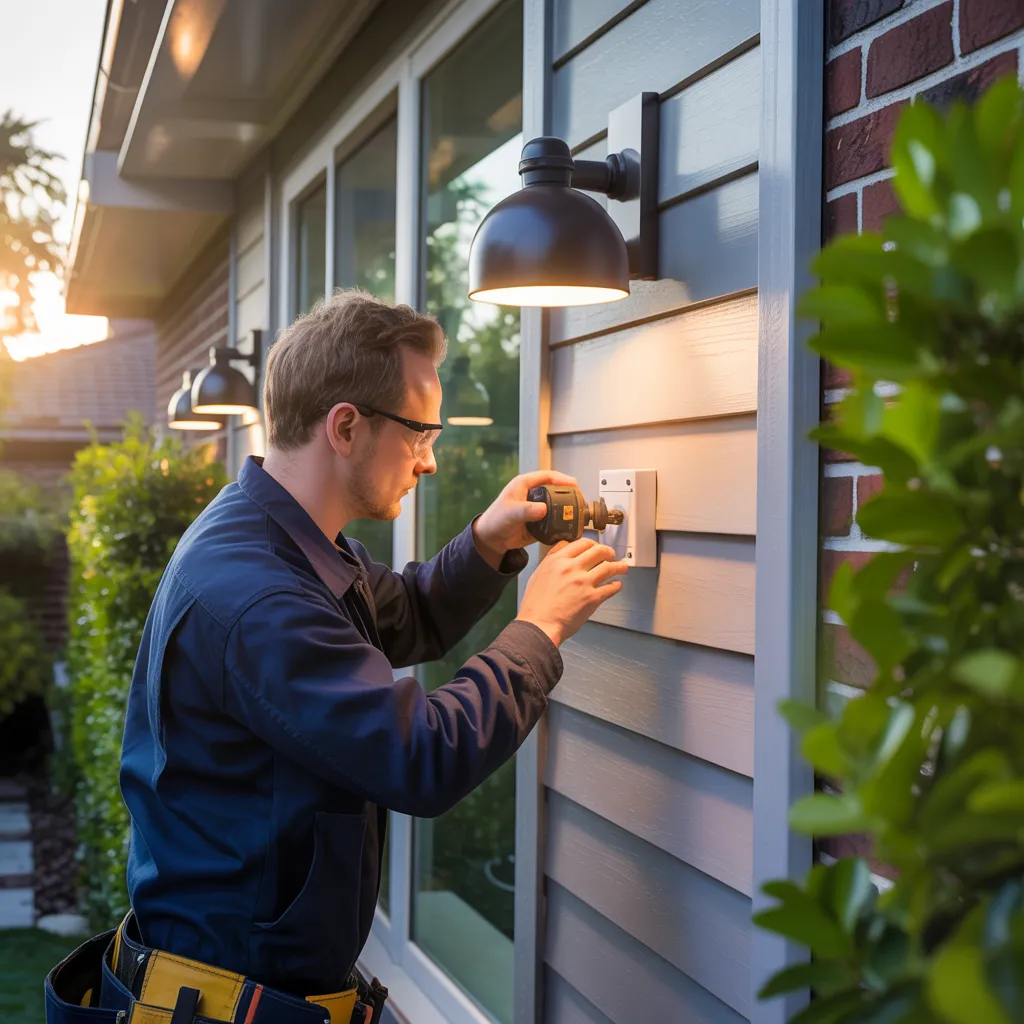
What Precisely Does a Household Electrical Expert Actually?
A residential electrician focuses on the installation, maintenance, and repair of electrical systems within homes. Their key duties include wiring, circuit installation, and the setup of lighting fixtures. They also identify and resolve electrical issues, ensuring that systems function efficiently and safely.
In conjunction with these tasks, residential electricians perform routine assessments to identify potential hazards and verify compliance with relevant codes. They often improve existing systems to accommodate new appliances or technology, thereby boosting a home's functionality.
Furthermore, they provide valuable advisory support, guiding homeowners on energy-efficient solutions and creative electrical layouts. A residential electrician also collaborates closely with other contractors during renovations or new constructions, ensuring that electrical work blends smoothly with other elements of the project. By utilizing specialized tools and following industry standards, they play an essential role in maintaining a safe and reliable electrical environment in residential settings.
Safety Guidelines in Electrical Work: Key Facts for Homeowners
What tactics can homeowners use to make sure their electrical systems continue to be safe and compliant? Comprehending safety rules is vital. Electrical codes, such as the National Electrical Code (NEC), offer a template for safe implementations and techniques. Homeowners should verify their systems conform to these standards to lessen threats of fire damage and electrical shock hazards.
Regular evaluations by a licensed electrician can help identify potential hazards. Electricians are skilled to comply with local regulations and introduce safety measures. Homeowners should also be mindful of proper load capacities to prevent overload, which can result in overheating.
In addition, using certified products and materials is indispensable for sustaining safety. Homeowners must underscore the fitting of GFCI outlets in water-exposed zones and check smoke detectors are in good condition. By remaining informed and proactive about electrical safety standards, homeowners can substantially reduce risks and establish a secure residential space.
Frequent Electrical Complications and How Specialists Handle Them
Homeowners frequently face various electrical problems that can create hazards to safe operation and performance. Common problems feature lights that flicker, breakers that trip, and outlets that fail to work. These issues can result from outdated wiring, circuits carrying too much load, or faulty appliances.
Another common issue is power spikes, which can damage devices and appliances. GFCIs (GFCIs) may also malfunction, causing dangers in wet areas like kitchens and bathrooms.
Technicians pinpoint these concerns by performing extensive inspections, examining wiring integrity, and analyzing the load on circuits. They utilize cutting-edge tools to uncover hidden problems and confirm compliance with safety standards.
How to Resolve Frequent Electrical Problems With Professional Support
Skilled electricians are often required to address common electrical issues. Lights that flicker, circuit breakers that trip frequently, and outlet malfunctions are problems that can signal underlying electrical faults. Hiring a qualified electrician guarantees these issues are diagnosed accurately and resolved safely.
Flickering Lights Solutions offering reliable answers
Flickering lights can disturb the tranquility of any home, signaling potential electrical faults that need immediate find here attention. This regular problem often indicates loose connections, faulty switches, or inadequate wattage. Homeowners should first check if the flickering happens with specific bulbs or throughout the entire house. If it is isolated, replacing the bulb may solve the issue. However, persistent flickering warrants consultation with a professional residential electrician, who can accurately diagnose and rectify underlying problems. A qualified electrician will inspect wiring, analyze circuit loads, and guarantee all connections are secure. Addressing flickering lights promptly not only restores peace but also enhances safety, preventing serious hazards like electrical fires. Professional intervention provides peace of mind and long-term solutions.
Circuit Breaker Tripping Causes
Understanding these problems is essential; engaging a qualified home electrical specialist to diagnose and resolve these problems ensures safety and efficiency in the home's electrical system.
Outlet Problem Resolution
Understanding the possible issues associated with circuit breakers logically leads to the necessity of troubleshooting outlet malfunctions. Outlet issues can appear as flickering lights, non-functional devices, or strange sounds from the outlet itself. These symptoms often signal underlying electrical issues that require professional evaluation. A qualified electrician will begin by inspecting the circuit for overloads, loose connections, or damaged wiring. They may also test for proper grounding and voltage levels to ensure safety. Addressing these malfunctions promptly is crucial, as neglect can lead to more severe hazards, including electrical fires. By relying on a professional, homeowners can make certain that their electrical systems operate efficiently and safely, protecting both their property and their peace of mind.
Why Hire an Professional for Electrical Improvements?
Upgrading electrical systems can significantly improve a home's safety and efficiency, making professional help essential. Homeowners often overlook the intricacies of electrical upgrades, which can lead to costly mistakes or hazardous situations. Professional electricians possess the required expertise and knowledge to navigate local codes and regulations, ensuring that upgrades are safe and code-compliant.
Also, experts can evaluate a home's specific electrical needs, advising tailored options that optimize output and energy management. They are equipped with the proper tools and know-how to handle likely complications, such as aging wiring systems or limited load capacity. This expertise not only minimizes risks but also extends the longevity and reliability of the electrical system.
In the end, hiring a qualified electrician for upgrades not only protects a home but also provides confidence, understanding that the work is correctly and efficiently performed, thereby increasing the expenditure in the property.
What to Anticipate During Your Electrical Assessment?
During an electrical inspection, homeowners can expect a thorough evaluation based on a common checklist that highlights key components of their electrical network. Inspectors will assess compliance with safety standards to confirm the electrical setup is both efficient and secure. Understanding these expectations enables property owners prepare for a successful inspection process.
Basic Examination Schedule Items
A meticulous electrical inspection normally involves various essential checklist items that confirm well-being and adherence with standards. Professionals often begin by looking at the service panel for proper ground connections and secure contacts. They inspect wiring for any signs of wear, injury, or unsuitable installation. Protection devices and fuses are evaluated to make sure they are functioning correctly and sufficiently rated for the power load. Additionally, outlets and electrical switches are checked to assure they are earthed properly and free from problems. Fire detection devices and poisonous gas detectors are also tested for adequate function. In the end, the evaluator surveys any modifications or supplements to the electrical system to ascertain they adhere to local codes and standards, ensuring the overall safety of the home's electrical infrastructure.
Safety Standards Compliance Assessment
After completing a detailed assessment checklist, comprehending compliance with safety standards is essential for property owners. Compliance with electrical safety requirements guarantees that electrical installations meet both national and regional codes, minimizing dangers from electrical hazards. Homeowners can expect the electrician to check correct grounding, circuit functionality, and the use of approved materials. Moreover, adherence to the National Electrical Code (NEC) is critical, as it outlines the minimum safety standards for electrical installations. Throughout the inspection process, electricians will assess the operation of smoke detectors and carbon monoxide alarms, verifying they function correctly. By prioritizing safety requirements, property owners not only safeguard their home but also safeguard the well-being of their loved ones. Ultimately, adherence fosters trust in electrical services and encourages long-term safety.
How to Identify the Most Suitable Electrician for Your Home
Selecting the right electrician for your home can feel challenging—what considerations should one evaluate? First, checking qualifications is crucial. A licensed electrician shows that they have met the necessary education and standards. Homeowners should also check for insurance, as this protects against possible risks during the work.
Experience represents another essential aspect; specialists with a solid track record are often more proficient at addressing various issues. Checking testimonials and seeking referrals can supply clarity into their credibility and standard of work.
Additionally, acquiring several estimates helps homeowners evaluate pricing and services, guaranteeing they get a competitive price. Communication skills are just as crucial; an electrician must describe issues and solutions clearly.
Finally, determining their familiarity with local regulations and codes can avoid future issues. By thoughtfully weighing these factors, homeowners can reach a informed choice, ultimately ensuring security and efficiency in their electrical projects.
Regularly Posed Questions
What Is the Price to Engage a Residential Electrical Contractor?
A home electrician's fee generally ranges from $50 to $100 per hour, subject to your location and the difficulty involved in the project. Ancillary charges may accrue for components and emergency calls, impacting your final cost.
How long Does an electrical undertaking Typically Take?
An electrical job usually takes a few hours to several days, based on its scope and complexity. Simple repairs may require little time, while larger installations or renovations can prolong the duration considerably.
What Qualifications Should I Consider in an Electrical Specialist?
When finding an electrician, one should highlight qualifications such as current licenses, insurance, suitable experience, and positive customer reviews. Additionally, accreditations in specialized areas can raise their credibility and guarantee quality workmanship.
Is Urgent Electric Service Accessible?
Emergency electrical assistance is indeed available. Many electrical professionals provide 24/7 support for urgent problems, ensuring fast turnaround and solutions to return safety and operation. Homeowners should confirm availability and turnaround before emergencies occur.
Can I Execute Electrical Projects Myself in a Legal Manner?
In many jurisdictions, individuals can legally perform electrical work on their own properties, but regulations vary. It's crucial to check local codes and safety standards to guarantee compliance and prevent potential hazards or fines.